
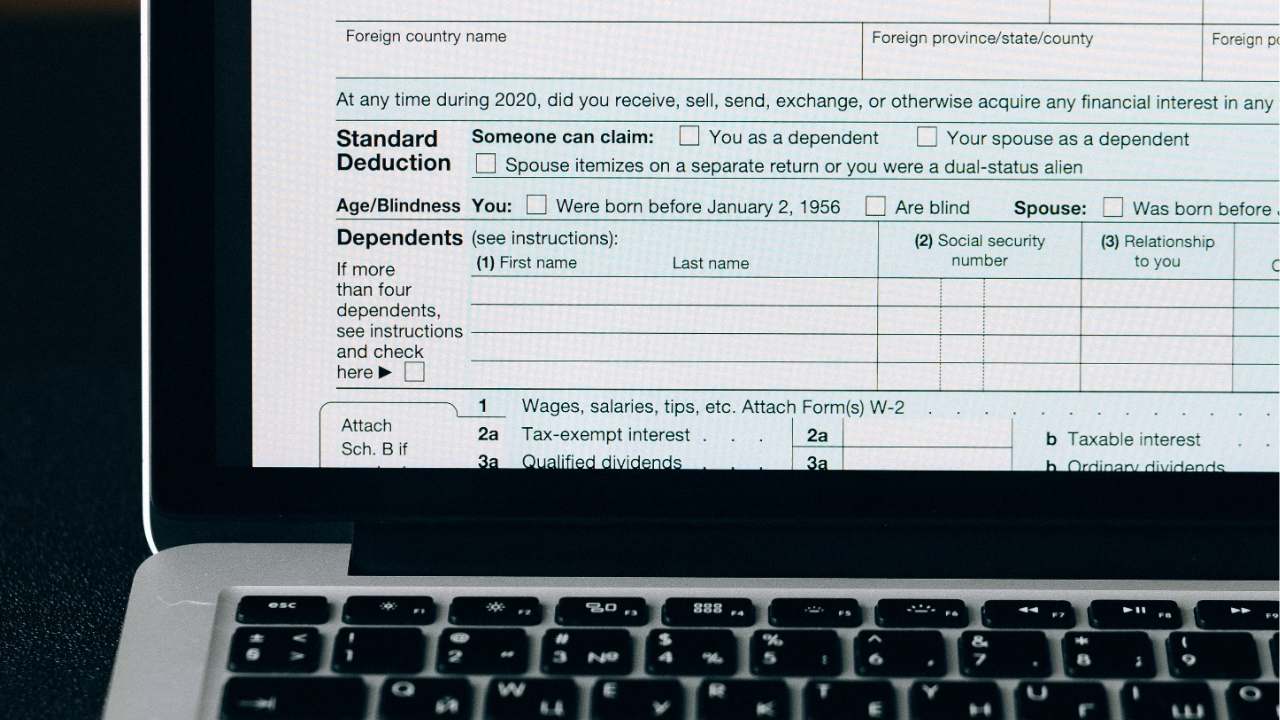
Filing Taxes for the First Time: Step-by-Step Guide
Filing taxes for the first time can feel like being handed a stack of unfamiliar forms and told not to make a mistake. The good news? Once you understand the basic process, it becomes far less intimidating.
Whether you recently started your first full-time job, began freelancing, or simply need to file on your own for the first time, preparation matters. If you live in Fort Mill, Rock Hill, or anywhere else in South Carolina, that preparation includes a state return alongside your federal one, so it helps to think about both from the start. This guide walks you through the process step by step, explains common mistakes, and shows you when professional tax help may be worth considering.
Step 1: Determine Whether You Need to File
Before collecting forms or opening tax software, find out whether you are required to file a federal income tax return.
Your filing requirement can depend on several factors, including:
Your age
Filing status
Gross income
Whether someone can claim you as a dependent
Whether you earned self-employment income
Certain special tax situations
Income thresholds and tax rules can change from year to year, so check the current IRS requirements rather than relying on last year's figures.
Even when you are not required to file, submitting a return may still make sense. For example, if an employer withheld federal income tax from your paycheck, filing could allow you to receive a refund.
Step 2: Gather Your Tax Documents
Good preparation can prevent many first-time filing headaches. Instead of starting your return and searching for paperwork along the way, collect your documents first.
Common documents include:
Form W-2 from an employer
Forms 1099 for freelance, contract, interest, or other income
Records of self-employment income and expenses
Education-related tax documents
Records of eligible charitable contributions
Health insurance documentation when applicable
Information about retirement contributions
Prior-year tax information, if available
Social Security numbers or taxpayer identification numbers required for the return
Do not assume that a missing tax form means the income can be ignored. Compare the documents you receive with your own income records before filing.
If your financial situation is more complicated than a straightforward W-2 job, working with a tax consultant company in Fort Mill SC can help you identify documents, deductions, or filing requirements you might otherwise overlook.
Step 3: Choose the Correct Filing Status
Your filing status affects your standard deduction, tax rates, eligibility for certain credits, and other parts of your return.
The IRS recognizes five main filing statuses: single, married filing jointly, married filing separately, head of household, and qualifying surviving spouse.
For many first-time filers, single is straightforward. Others may have circumstances that make the answer less obvious.
Head of household status, for example, has specific requirements. Simply being unmarried or paying some household expenses does not automatically qualify someone to use it.
Choosing an incorrect status can change your tax liability significantly. When there is uncertainty, verify the requirements before submitting your return.
Step 4: Report Your Income Accurately
Once your basic information is entered, you will report the income you earned during the tax year.
For employees, much of this information comes directly from Form W-2. Independent contractors, gig workers, investors, and people with side businesses may have several income sources to report.
This is where first-time taxpayers sometimes make a costly assumption: if they did not receive a tax form, they believe the income does not count.
That is not necessarily true.
Keep your own records and make sure your return reflects all reportable income. This becomes especially important when you earn money from freelance projects, online sales, consulting, gig platforms, or other independent work.
Step 5: Look for Deductions and Tax Credits
Reporting income is only half the equation. You should also determine which deductions and credits apply to you.
A deduction generally reduces the amount of income subject to tax. A tax credit generally reduces the tax you owe and, depending on the credit, may sometimes increase a refund.
Potential tax benefits may relate to:
Education expenses
Retirement contributions
Dependents
Childcare expenses
Certain business expenses
Student loan interest
Homeownership
Qualifying energy improvements
Eligibility depends on your individual circumstances and current tax law.
This is one reason some taxpayers choose professional tax preparation services instead of trying to interpret every rule themselves. Professional assistance can be particularly useful after major life or financial changes.
Step 6: Review Everything Before Filing
You are almost finished, but do not rush through the final screen just because you want the process over.
Review your return carefully.
Check names, Social Security numbers, income figures, bank information, filing status, and other important entries. If you are expecting a refund through direct deposit, verify the routing and account numbers.
Small typing mistakes can create unnecessary delays.
Also compare your tax documents against the income entered on your return. A final five-minute review can catch errors that would otherwise take considerably longer to correct later.
Step 7: File and Keep Your Records
Once you are confident the return is accurate, submit it by the applicable deadline.
Electronic filing is generally the fastest and most convenient option for many taxpayers. If you are due a refund, choosing direct deposit can also speed up the process.
After filing, keep a copy of your completed return along with supporting tax documents. Store these records somewhere secure rather than assuming you can easily retrieve everything later.
Tax records can become useful when applying for a mortgage, verifying income, preparing future returns, or responding to questions about a previously filed return.
And remember: filing is not necessarily finished simply because you submitted a federal return. Depending on where you live and work, state filing requirements may also apply.
Common First-Time Tax Filing Mistakes
First-time filers often make errors because they simply do not know what deserves extra attention. Some of the most common include:
Forgetting income from a side job
Using the wrong filing status
Entering Social Security numbers incorrectly
Missing deductions or credits
Filing before all tax documents arrive
Assuming a tax extension extends the payment deadline
Forgetting state tax obligations
Failing to save copies of the completed return
Another common mistake is waiting until the last minute. A rushed return leaves less time to locate missing paperwork, correct errors, or ask questions.
Starting early gives you room to deal with surprises.
Short Case Study: A First-Time Filer With Side Income
Consider a recent graduate named Alex, working full time in Fort Mill while designing websites for local businesses on the side.
While reviewing bank deposits, however, Alex realized the freelance income also needed attention. There were legitimate business expenses associated with earning that money, too.
Instead of submitting an incomplete return, Alex gathered invoices and expense records and sought professional guidance. The result was a more complete filing based on the full financial picture. More importantly, Alex learned what records to maintain throughout the next year, making future tax preparation much easier.
When Should You Get Professional Tax Help?
Not everyone needs professional assistance. A taxpayer with one W-2 and a simple financial situation may be comfortable preparing a return independently.
Professional help becomes more valuable when you have multiple income streams, self-employment income, investments, rental property, significant life changes, prior tax problems, or uncertainty about deductions and credits.
The goal is not simply to complete forms. A trusted tax firm can help you understand what you are filing, reduce avoidable errors, and develop better tax habits for future years.
Tax preparation also becomes easier when you stop treating it as a once-a-year emergency. Keep income documents, receipts, and relevant financial records organized throughout the year. When tax season arrives, most of the hard work will already be done.
Make Your First Tax Return a Confident One
Your first tax return does not have to become a stressful guessing game. Gather your documents early, understand your filing status, report income carefully, check available deductions and credits, and review everything before submitting.
If your first return feels more complicated than expected, Carolina Tax Consulting in Fort Mill can walk through it with you before a small uncertainty becomes an expensive mistake.